Chad Van Alstin is an award-winning writer and multimedia content producer, with a professional background in journalism, marketing, and public relations. He holds a BA from Virginia Tech, with an educational focus in mass communication, philosophy, and film studies.
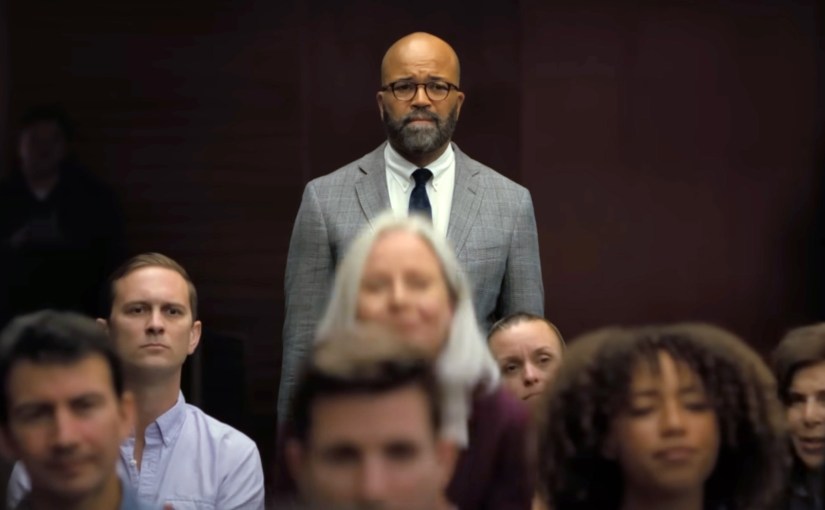
For this episode, we opted to compare and contrast American Fiction and You People, two comedy-dramas where contemporary racial politics are the focal point. Yet, their perspective, style, tone, themes—and demonstrated level of filmmaking competence—could not be more radically different. We thoroughly analyze both films in our patented “deep casual” style, and we ask only that you forgive us for being (white) dudes. Let’s have a good time.
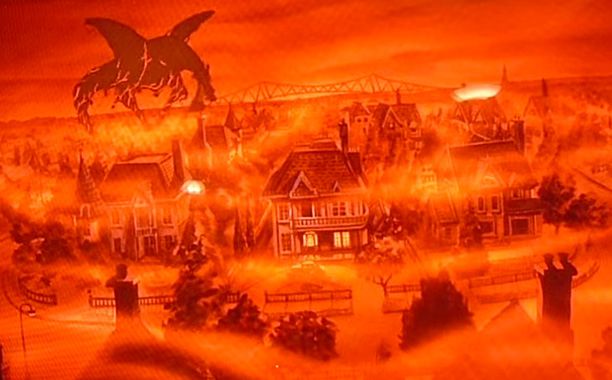
We take a deep dive into the films of animator and director Don Bluth, with special focus on The Land Before Time, An American Tail, All Dogs Go to Heaven, and Anastasia.
For those of us who grew up watching these movies, they are remembered for their dark subject matter and themes antithetical to Disney. Now that we’re grown ups, we see stories that express the human condition from the perspective of a regular person, with protagonists who seek only to live normal lives as they battle against the forces that rule life in a world that is anything but perfect.
George Miller can’t make yet another great Mad Max movie, right? Wrong. He can and he did. And we hope he makes them forever.
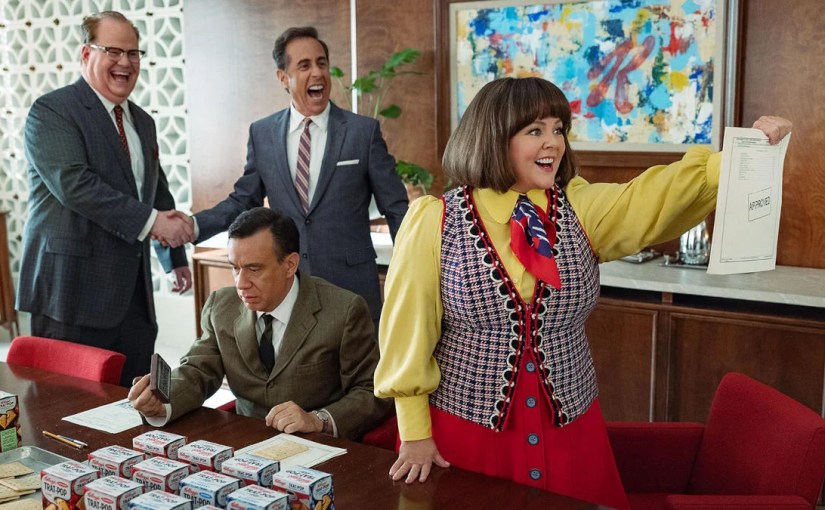
As we catch up on movies we’ve seen, one of them was Unfrosted. There’s a deep analysis of Jerry Seinfeld’s directorial debut (and its Goo Monster), followed by some light praise of a movie that is memorably bad and worth seeing for its cringe.
Plus, talk of Morgan Spurlock, South Park, Inside Out 2, the growing trend of film entitlement, and how our machine overlords are destroying our lives through our phones.
We sat down with Chad’s old Virginia Tech classmate Kevin Hershner to discuss his film Normal Accidents. Kevin is a writer, director, and actor living in Los Angeles who is currently pitching the movie—his first feature—to festivals.
Normal Accidents is an auteur satire on “one man, one location” films with a lot of levity. But, it’s also a serious meditation on the intrusive nature of technology and how many of us long for escape and quiet, away from the digital record of our flawed lives, our mistakes, and our regrets. It poses the question, how can we heal our minds and be our best selves when we can’t escape our digital ghosts?
We very much enjoyed it, and we think you will too. Check it out, a link is in the show notes.
The three of us also hung out for a while after the interview to discuss the state of Hollywood blockbusters, the overuse of special effects, and how social media is shaping movies and giving them a shelf life. Plus, you get to hear Kevin’s intriguing take on the underlying meta-themes of Christopher Nolan’s Oppenheimer.
We love Adam McKay movies. Talladega Nights: The Ballad of Ricky Bobby embraces the Americana of rednecks and NASCAR culture, innocently pitting our uncouth heroes against the French liberal elites. Step Brothers is two losers resisting the urge to seek status, content with having a good time. And Anchorman? One can argue it’s a treatise on the fallibility of news, exposing the information guardians for the dopes they are.
Then, in his magnum opus, Adam gave us with The Big Short, an anarchist, populist masterpiece that unites all people based on class, offering empathy to those who struggle to survive in an economy ruled by elites, where “regulators” and “experts” obfuscate truth for profits.
We graduated from college during the 2008 financial crisis, and that film educated and empowered us to think critically and speak truth to power. Adam used to be one of the people. His offensive language, love for the poors, and mission to entertain everyone regardless of politics spoke to a simpler time. It’s why his classics are beloved.
Then he made Don’t Look Up. And it pressured audiences to implicitly trust the experts and embrace righteous politics, lest they become regular ol’ citizen “bad person” whose inaction dooms humanity.
Darren Aronofsky’s The Whale and The Wrestler are very different films, but both center on a broken person, unable to achieve their former high, estranged from family and facing a new, less satisfying reality. Yet, one of these films sucks while the other is a cinematic masterpiece.
Brad and Chad take a hard look at The Whale and dissect how prior knowledge of The Wrestler makes its themes, style, and premise hard to digest.
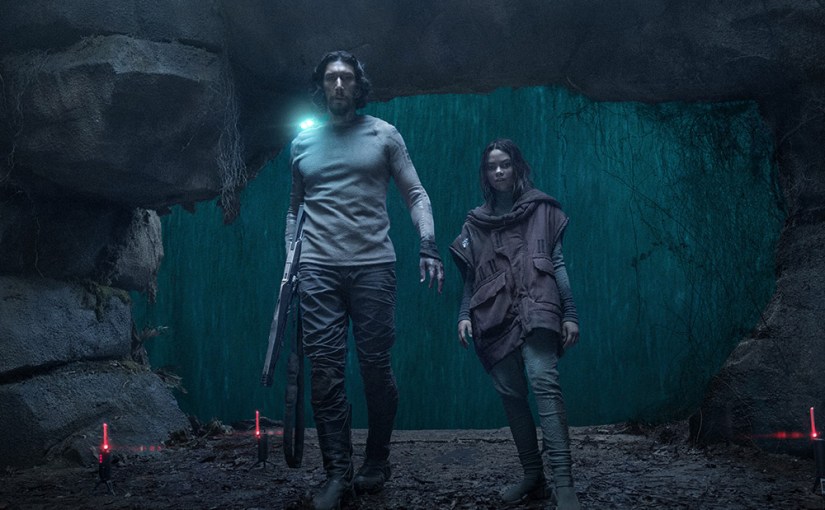
Everything Everywhere All at Once swept the Oscars, but Hollywood seems incapable of talking about the movie on its merits. After discussing the struggle between art and identity politics, Brad and Chad both fail to remember the plot to Operation Fortune: Ruse de Guerre, despite seeing it multiple times. Then, CinTan praises the shit out of the dumb-but-fresh movie called 65, longing for the days when blockbusters took risks.
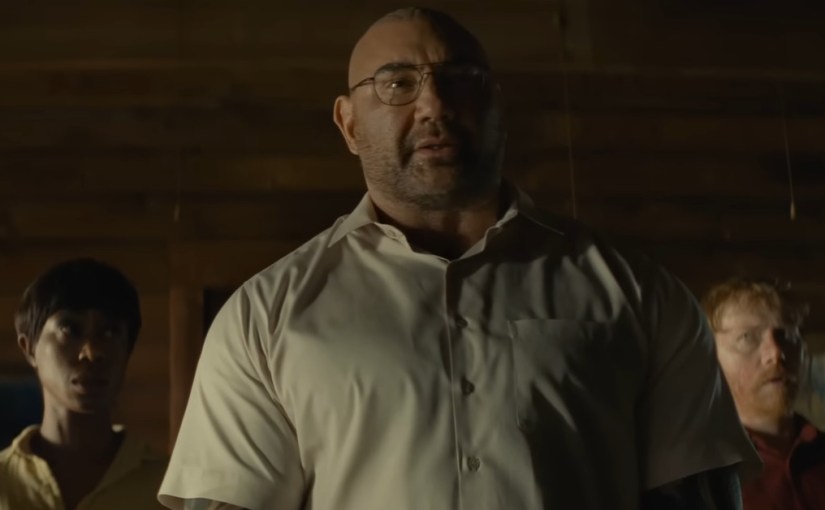
Cocaine Bear is based on the true tale of a bear who ate cocaine and died. The movie adaptation is about a CGI blob that mauls people to death – with some admittedly cool traditional effects. After sobering up, Brad and Chad go deep on M. Night Shyamalan’s Knock at the Cabin, revealing the (possible) class message at the heart of a crazy movie about the Four Horsemen of the Apocalypse accosting a gay couple and their daughter. Major props is given to Dave Bautista for his truly excellent performance.
From The Fabelmans to Avatar: The Way of Water, Hollywood feels increasingly out of touch, both in its ability to capture what it means to be a person – and to re-capture what it meant to watch a Blockbuster in the theatre. Opining on their growing dislike of movies, the boys analyze similar trends in comic books and video games that leave us feeling empty, in a constant state of consumption, waiting for the next unnecessary sequel or piece of content.